 |
When I was a kid and got too whiny about some little difficulty in my life, I'd get shaken back to reality by a parent or grandparent with a version of one of those Walked Five Miles to School in a Blizzard stories from their own childhoods.
The examples varied, perhaps invoking a time when there was nothing but shrivelled potatoes to eat, or comparing my comfy bedroom to the mattress on the floor that they remembered sharing with some ridiculous amount of siblings.
But the moral was always the same: this parent/grandparent had known deprivation, and I should be so glad and eternally grateful for living in different times.
It struck me the other day that the Boomer generation that I'm part of just might be the first generation in Canada whose own stories will instead be of how good they had it compared to their grandkids.
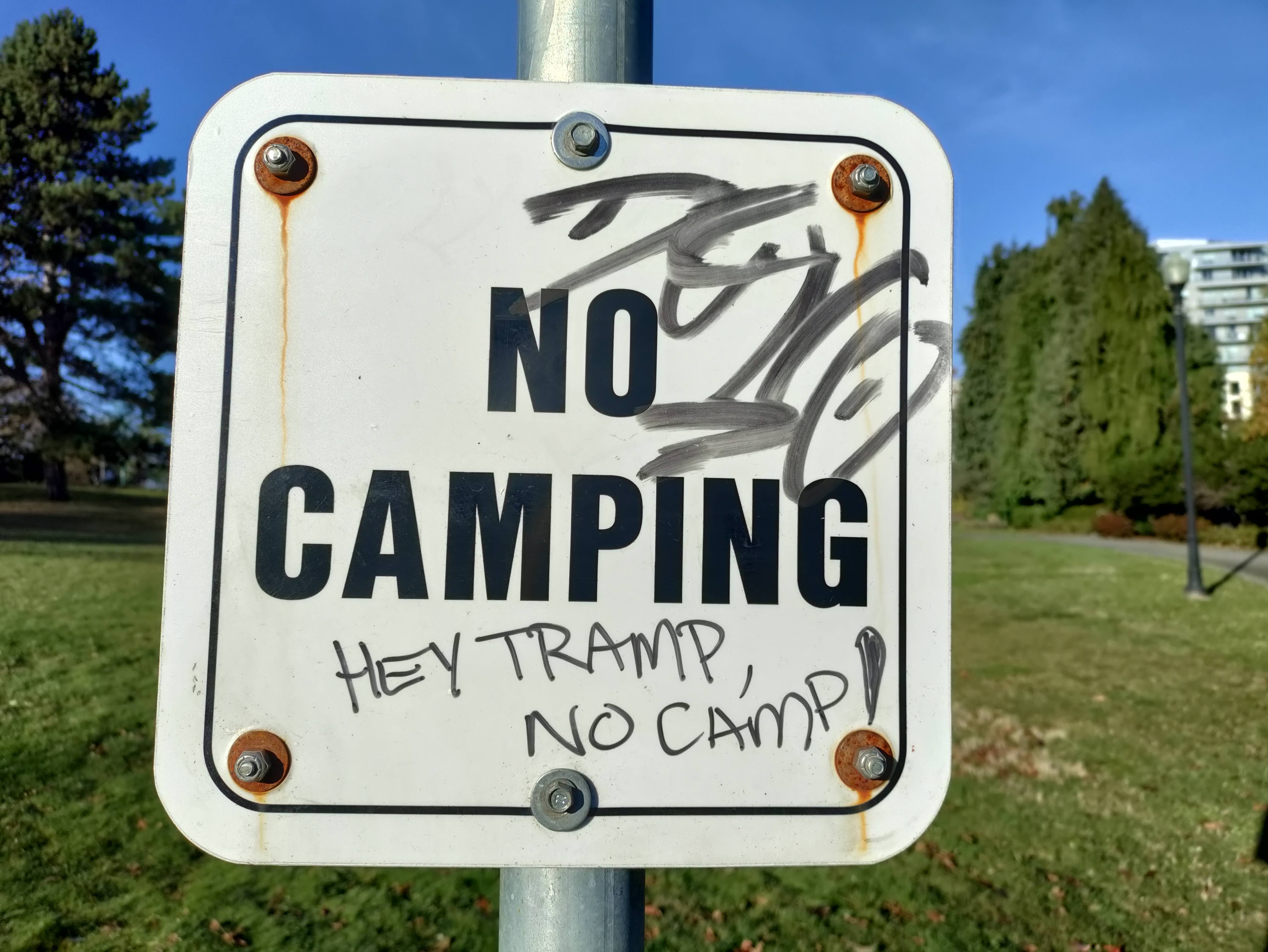
Let me tell ya, kid, back in my day we had houses for people. We didn't even have a word for homelessness, and you camped for fun, not because it was that or nothing. We burned through natural resources like there was no tomorrow. (Turns out that last part was true.)
Back in my day, we made real money, and if we hit a bad spell, could fall back on employment insurance that actually covered most of a person's bills. We had doctors. Weather was just weather, not an ominous portent of end of days.
Sounds a bit like a tall tale at this point, doesn't it? In fairness, not everything has gotten worse in my lifetime.
Rights have improved significantly, at least on paper. We are woke, more or less, to the cruelties and inequities around race, gender, sexual preference and disability. We appear to be finally getting real about addressing the historic theft of Indigenous lands.
Crime in Canada is half of what it was at its peak in the early 1990s, and the number of people living in extreme poverty around the world has declined by more than a billion people since 1990.
But while rights, personal safety and a little less global poverty are vital components to a good life, so is purchasing power and hope for the future in a world that at times feels dangerously close to losing it.
And on that front, my generation can only hang its head in shame.
I've told the story of my 17-year-old newlywed self many times, so apologies for dragging it out again for this post. But it's just so perfect for summing up what has happened over my lifetime when it comes to the growing social decay we see around us and the deepening struggle to achieve the basics of a good life.
In the late 1970s in Courtenay, I was a stay-at-home teenage mom teaching a little piano on the side and my then-husband worked at the Campbell River paper mill. He made around $28,000 a year, which the Bank of Canada inflation calculator tells me is equivalent to $105,000 in 2022. Pretty decent pay for a couple of kids starting a life.
We bought a cabin on the water at Royston for $10,000 when we got married in 1974. We had two cars, and regularly holidayed with the kids to the Okanagan and Disneyland. We moved on to a bigger house a couple of years later and had a small, manageable mortgage and no appreciable credit card debt, possibly because it was hellishly hard to get a credit card in those days.
When there was a five-month strike at the mill that really hurt, we caught and ate so much salmon that I couldn't eat it again for years. Because our seas were full of salmon.
Fast forward 50 years and it's an entirely different life for a young couple with kids anywhere on Vancouver Island or the Lower Mainland.
Not only is the thought of ever being able to buy a home out of reach for many of them, they can't even count on staying put in a rental home if the property owner opts to "renovict." They certainly can't count on easily finding another place to rent at a price they can afford.
The number of two-income families in Canada has doubled since the 1970s, during which time purchasing power has fallen far below what it once was. Forget the dream of a two-income family able to participate more fully in the economy. What has actually happened is a flat-lining in wages that now requires two people to work just to earn the same amount that one person once earned.
The average hourly wage in Canada in 1975 was just over $10. Today, it's $20. Meanwhile, inflation has risen almost 470 per cent in the same period - which means that the hourly wage in 2022 ought to be $47 to have maintained the same purchasing power.
The rich get richer and the not-rich lose ground. Canada's wealthiest 20 per cent of households now hold two-thirds of all assets in the country, while the least wealthy 20 per cent hold just 2.8 per cent. That top 20 per cent is the only quintile to have increased its share of national income over the years; all the others have seen a loss.
It was my generation that inked the free-trade deals that have tied the world together so tightly for hungry global capitalists and consumers eager for cheap goods that now we're dependent on distant countries for everything. When a relentless drought grips California farms and the rivers get so dry in China that the freighters can't run, it's our store shelves that sit empty.
It's my generation that's sitting fat and happy on our investment portfolios, rooting for growth to continue unfettered every quarter so we can live in grand comfort. Those who come after us will live with the fallout - crashed pension plans, climate change, unattainable dreams of a home to call your own, weakening social benefits. "Populist" governments to come will worsen every crisis with their self-serving agendas, even while their meaningless rhetoric acts as a siren's call to the disaffected and disappointed.
Let me tell ya, kid, that is all so very wrong. Wish I could tell you that we're working on it, but I don't think we are. Think of it this way: You'll have some great stories of deprivation to tell your own grandkids.


